Arabic Perfumes: 5 Secrets to Unstoppable Luxury & Long-Lasting Scent
**Arabic Perfumes**: 5 Secrets to Unstoppable Luxury & Long-Lasting Scent
The world of fragrance is witnessing a revolution. While the delicate, fleeting aromas of typical Western colognes and EDTs once dominated the market, a powerful new contender has emerged from the East: **Arabic Perfumes**. These intense, luxurious, and unbelievably long-lasting scents are no longer a secret, gaining massive popularity across social media platforms. But what exactly makes these Arabian elixirs so different? Why do they cling to your skin for 12 hours or more when your expensive French scent vanishes after two?
This ultimate guide is your gateway into the mesmerizing world of **Arabic Perfumes**. We will unlock the secrets behind their legendary longevity, explain the powerful key notes like Oud and Amber, and provide you with a definitive guide on how to choose the perfect **long-lasting fragrance** to create your unique, signature scent. For historical context on global fragrance trends, you can check out this article on the history of scent.
**The Secret Sauce: Why Arabic Perfumes Are Truly Long-Lasting Fragrances**
The primary difference between Eastern and Western perfumery lies in their fundamental composition. Western fragrances are often formulated as Eau de Toilette (EDT) or Eau de Parfum (EDP), which typically contain high levels of alcohol. Alcohol acts as a quick-release agent, allowing the scent to project strongly initially but evaporating rapidly, taking the fragrance with it.
Concentration is Key: Oil vs. Alcohol
**Arabic Perfumes**, however, prioritize concentration and depth:
- **High Oil Concentration:** Many traditional **Arabic Perfumes** are sold as concentrated perfume oils (CPOs) or “Attars.” These oil bases have virtually no alcohol. Since oil evaporates much slower than alcohol, the fragrance molecules adhere to the skin for a significantly longer period. Even when formulated as EDPs, Arabian brands often use a much higher percentage of concentrated oils than their Western counterparts, a clear differentiator from **Arabian scents vs Western** perfumes. You can view our range of pure Attars here on our website.
- **Heavy Base Notes:** Arabic fragrances are heavily reliant on powerful, resilient base notes. Notes like Oud, Sandalwood, Musk, and Amber are structurally heavy. They are the foundation of the scent pyramid, evaporating slowly and ensuring the fragrance anchors itself to your skin and clothes for many hours, offering phenomenal **Oud perfume benefits**.
- **Maceration and Ageing:** Traditional perfume houses in the Arabian Gulf often allow their ingredients to macerate (steep) for extended periods. This process ensures a deeper, more cohesive, and ultimately, a longer-lasting final product. For detailed information on essential oil longevity, see this study on fragrance evaporation rates.
**The Pantheon of Arabian Scents: Essential Notes Explained**
To truly appreciate the richness of **Arabic Perfumes**, you must understand the powerful raw materials that form their core. These ingredients are the pillars of Eastern perfumery and contribute directly to the scents’ reputation for luxurious projection and incredible longevity. This information is key for anyone looking for the **best Arabic perfumes for beginners**.
Oud (Agarwood): The Liquid Gold
Oud is arguably the most recognizable and coveted note in Arabian perfumery. It is derived from the resinous heartwood of the Aquilaria tree when it becomes infected with a specific mold. The rarity and difficulty of harvesting Oud make it one of the most expensive raw materials in the world, earning it the moniker “liquid gold.”
- **Scent Profile:** Complex, smoky, woody, animalic, and slightly sweet. It varies greatly depending on its origin (e.g., Cambodian, Indian, Thai).
- **Role in Perfume:** Oud serves as a phenomenal base note. Its heavy molecular structure binds all the lighter ingredients together, providing unparalleled depth and ensuring the perfume is one of the most **long-lasting fragrances** you will ever encounter. This longevity is a major one of the **Oud perfume benefits**.
Musk: Purity and Powdery Cleanliness
Traditionally derived from the musk deer, modern perfumery uses synthetic or plant-based musk, but its role remains central. Musk is the great diffuser and enhancer. For our best-selling musk fragrances, click here.
- **Scent Profile:** Clean, soapy, powdery, sometimes slightly sweet, and always incredibly sensual.
- **Role in Perfume:** Often used as a heart or base note, musk smooths the sharp edges of other ingredients, adds a sense of warmth and depth, and significantly extends the life of the scent on the skin. It is frequently the “secret weapon” that gives an **Arabian scent** its addictive, soft trail.
Amber: The Warm, Resinous Embrace
Amber in perfumery is usually a composite note, a warm, sweet, and sensual blend of ingredients like benzoin, vanilla, and various resins.
- **Scent Profile:** Warm, cosy, slightly powdery, sweet, and comforting.
- **Role in Perfume:** As a base note, Amber provides a beautiful golden warmth, especially when paired with Oud and spices. It contributes to the rich, luxurious feeling and helps the overall fragrance maintain its sillage (projection) throughout the day, showcasing the difference between **Arabian scents vs Western** alternatives.
Rose and Saffron: The Exotic Touch
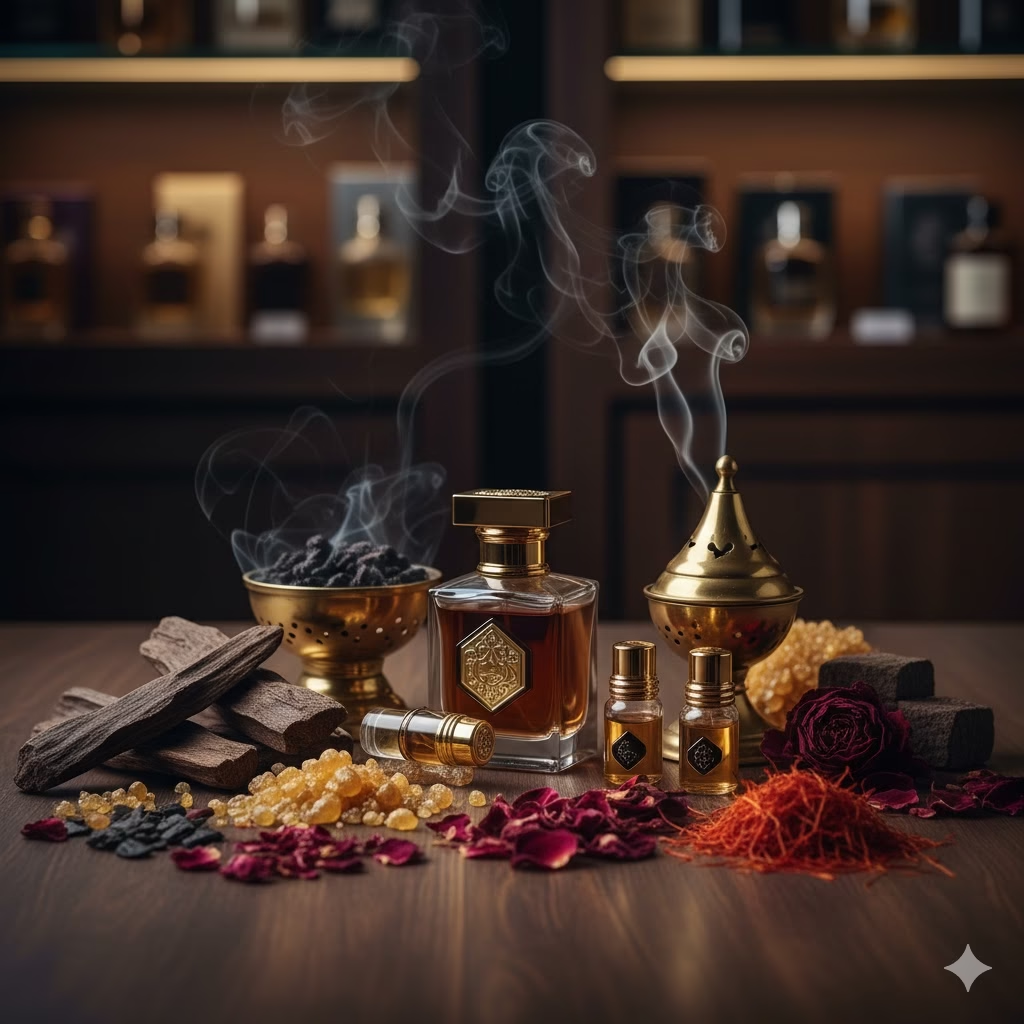
No discussion of **Arabic Perfumes** is complete without mentioning the iconic blend of Rose and Saffron. These notes, often paired with Oud, create the classic “Arabian” profile.
- **Rose:** Specifically, rich, dark Turkish or Bulgarian rose gives a floral opulence that contrasts beautifully with the smokiness of Oud.
- **Saffron:** Known as the world’s most expensive spice, saffron adds a leathery, slightly metallic, and intensely luxurious facet, pushing the scent from merely strong to truly opulent.
**The Experience: 5 Reasons Why You Should Switch to Long-Lasting Arabic Fragrances**
For fragrance lovers tired of the high cost and poor performance of many designer scents, the switch to **Arabian scents** offers several compelling advantages:
1. Unmatched Sillage and Projection
**Arabic Perfumes** are often described as “beast mode” scents. Their dense, high-concentration formulas ensure that the wearer leaves a beautiful, noticeable scent trail, known as sillage, without being overwhelming. You can be confident that your fragrance will be noticed and appreciated without needing constant reapplication. This is the core benefit of choosing a **long-lasting fragrance**.
2. Superior Value for Money and **Oud Perfume Benefits**
While some high-end Oud oils can be very expensive, many reputable Arabic perfume houses offer incredibly complex, high-quality, and **long-lasting fragrances** at a fraction of the price of mainstream Western luxury brands. This allows you to experience opulent ingredients like Oud, Rose, and Amber without breaking the bank, realizing significant **Oud perfume benefits**.
3. A Sense of Uniqueness and Mystery (Arabian Scents vs Western)
**Arabic Perfumes** are founded on unique scent combinations that rarely feature in Western lines. By wearing an **Arabian scent**, you are immediately stepping outside the mainstream, choosing a fragrance that is distinctive, mysterious, and unforgettable—a true reflection of your personality. This distinction is what makes the **Arabian scents vs Western** debate so fascinating. For more on the cultural impact of these fragrances, see this feature in a major cultural magazine.
4. Versatility for Layering
The structure of **Arabic Perfumes** makes them inherently suitable for layering, allowing you to combine them with different oils or bakhoor (incense) to create truly personal scent cocktails.
5. Connection to Ancient Tradition
Wearing **Arabic Perfumes** connects you to millennia of fragrance tradition, linking your scent choice to historical royalty and ceremonies.
**Your Guide to Choosing Your Signature Arabic Perfume**
Diving into the world of **Arabic Perfumes** can feel daunting due to the sheer variety and intensity. Here is a simple guide to help you choose the perfect starting point, tailored especially for those looking for the **best Arabic perfumes for beginners**:
For the Beginner: Start with Rose and Vanilla Blends
If you are new to **Arabic Perfumes**, avoid the most intense, pure Oud oil at first. Look for EDPs that blend traditional notes with familiar Western accords:
- **Rose-Oud Blends:** These are often called “starter Ouds.” The floral sweetness of the rose softens the powerful smokiness of the Oud, making it more approachable. They are considered some of the **best Arabic perfumes for beginners**.
- **Vanilla/Gourmand Blends:** Many popular Arabian houses use rich vanilla, caramel, or chocolate notes in the dry-down. These sweet bases create a familiar, comforting aroma that carries the heavier Oud and Amber notes beautifully, providing a delightful **long-lasting fragrance**.
For the Connoisseur: Embrace Pure Oud and Attars
If you already enjoy complex, dark fragrances and are ready for the next level, seek out higher concentrations:
- **Pure Attars (CPOs):** These Concentrated Perfume Oils are alcohol-free and offer the purest, most traditional expression of the scent. A tiny swipe on pulse points is all you need for an all-day **long-lasting fragrance**.
- **Heavy Leather and Saffron:** Look for blends that lean heavily into notes like leather, saffron, and animalic musk for a deeply complex, masculine, and sophisticated profile. The **Oud perfume benefits** are most apparent here.
Choosing by Occasion
| Occasion | Recommended Scent Profile | Why It Works |
|---|---|---|
| **Daily/Office** | Clean Musk, Citrus, and Light Rose | Offers a refined, professional scent trail without overpowering colleagues. A great starting point for the **best Arabic perfumes for beginners**. |
| **Evening/Formal** | Heavy Oud, Amber, Incense, and Spices | The intensity and complexity suit the cool air and formal setting, projecting confidence. This is where **Oud perfume benefits** shine. |
| **Casual/Weekend** | Fruity Notes, Sweet Vanilla, and Patchouli | Fun, approachable, and still provides great longevity while feeling relaxed. Excellent for those exploring **Arabian scents vs Western** light EDTs. |
**Beyond the Bottle: The Ritual of Layering and Bakhoor**
In Arabian culture, fragrance is not merely an accessory; it is a ritual. To maximize the longevity and personalization of their scent, Arabs have mastered the art of layering, which enhances the **Oud perfume benefits**.
Creating Your Signature Scent
Layering involves using multiple fragrance products—often starting with a scented body lotion or musk oil—before applying the primary perfume. This creates a deeply personal and multi-dimensional scent profile that is impossible to replicate. Try layering a simple vanilla perfume oil beneath your favorite Oud EDP for added warmth and staying power. This is a crucial element missing in the **Arabian scents vs Western** comparison.
The Magic of Bakhoor (Scented Wood Chips)
Bakhoor is the Arabic name for scented wood chips, usually soaked in fragrant oils like Oud, Sandalwood, and essential oils. Burning Bakhoor over charcoal is a traditional practice for perfuming the home, clothes, and even the hair. For our full collection of Bakhoor, browse our selection here.
Before leaving the house for a special occasion, many people pass their clothing through the smoke of Bakhoor. This process infuses the fibers with the rich, dense scent of the wood, locking the fragrance into the fabric and serving as the perfect, **long-lasting fragrance** base upon which the liquid perfume is applied. This tradition is a clear distinction between **Arabian scents vs Western** application methods.
**Conclusion: Embrace the Unforgettable**
The rise of **Arabic Perfumes** is a testament to the fact that quality, tradition, and superior performance will always win. By moving past the fleeting nature of modern designer scents and embracing the concentrated power of Oud, Musk, and Amber, you open yourself to a world of truly luxurious and **long-lasting fragrances**.
Whether you are seeking your next signature scent, a gift that leaves a memorable impression, or simply a perfume that lasts through your busy day, Arabian perfumery offers a solution that is rich in history and unmatched in performance. We hope this guide helps you find the **best Arabic perfumes for beginners** and experts alike.
Are you ready to discover the magic of the East? **Explore our curated collection of authentic, long-lasting Arabic Perfumes, Oud, and Bakhoor today and find your new signature scent!**
**Frequently Asked Questions (FAQ) about Arabic Perfumes**
Here are answers to common questions about **long-lasting fragrances** from the Middle East:
Q: Are **Arabic Perfumes** suitable for Western climates?
A: Absolutely. While their intensity is greater, modern **Arabic Perfumes** are created with versatile blends. They perform exceptionally well in all climates, particularly because their high oil concentration means they don’t evaporate quickly in the heat like alcohol-based sprays, a key aspect in the **Arabian scents vs Western** debate.
Q: How should I apply concentrated perfume oils (Attars)?
A: Attars are highly concentrated. Use the dropper or dabber to apply just a small amount to warm pulse points (wrists, behind ears, neck). Avoid rubbing, as this can break down the fragrance molecules. Since they contain no alcohol, they are also gentle enough to be applied to clothing.
Q: Why is Oud so expensive?
A: Oud is expensive due to its rarity. It is only formed when the Aquilaria tree is infected and produces a dark, aromatic resin. The process is natural and unpredictable, making the raw, high-quality wood scarce. This scarcity is reflected in the price of pure **Oud perfume** products.
Q: Are these fragrances unisex?
A: Many **Arabic Perfumes** are traditionally considered unisex. The focus is on the complexity of the notes (Oud, spices, amber) rather than simple floral or aquatic profiles. While some are clearly marketed as men’s or women’s, the vast majority are suitable for anyone who enjoys a deep, rich, and sophisticated **long-lasting fragrance**.
-
- Sale!
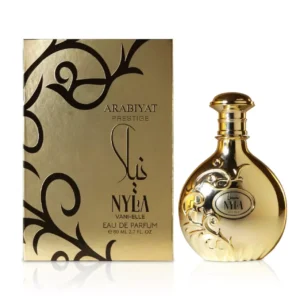
Gourmand Arabiyat Prestige Nyla Vani-Elle
-
$ 300Original price was: $ 300.$ 227Current price is: $ 227.
-
- Sale!
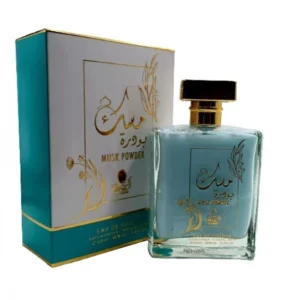
Musk Al Tahara Concentrated Perfume Oil
-
$ 55Original price was: $ 55.$ 45Current price is: $ 45.
-
- Sale!
Rose Cream for Freckles and Pigmentation
-
$ 39Original price was: $ 39.$ 37Current price is: $ 37.